Donation
Contribute Through Brain Donation
Play a vital role in advancing research by learning how brain tissue donation supports scientific breakthroughs.
Learn More
Brain Bank Network India Initiative
“In Service of Science, Preserving the Human Brain”
Establishment of satellite Brain Banks in India for Neuroscience Research — funded by ICMR. Committed to enabling access to high-quality human brain tissue that catalyzes discoveries shaping the future of medicine.
Our Mission: “Advancing Neuroscience Through the Preservation of Human Brain Tissue.” We bridge donors and discovery, supporting global research to decode neurological disorders and improve human health.
2021
Established
ICMR
Funded
2+
Collaborators
Donation
Play a vital role in advancing research by learning how brain tissue donation supports scientific breakthroughs.
Learn MoreMuseum
Step into the region’s first brain museum, showcasing fascinating exhibits and immersive learning experiences. (Open for educational visits)
Plan a VisitGallery
Browse photos from our lab facilities, brain museum, educational visits, and research activities.
View GalleryAbout Us
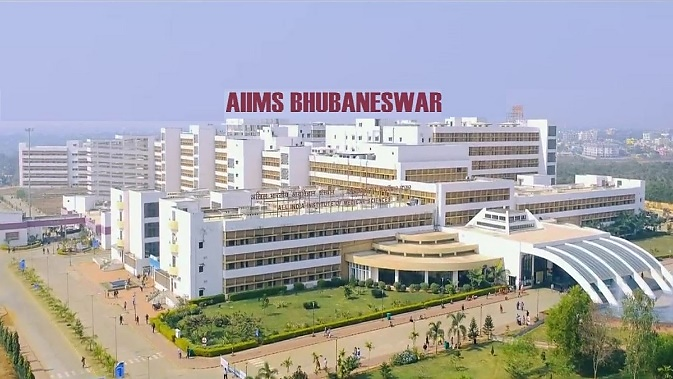
At the AIIMS Bhubaneswar Brain Bank, we are committed to driving progress in neuroscience by enabling access to carefully preserved, high-quality brain tissue that supports scientific breakthroughs. AIIMS HBTR was established in year 2021 in the Department of Pathology and Lab medicine.
Every donation tells a story. Every sample brings scientists one step closer to answers to challenging questions and enables better diagnosis, improved treatments, and, ultimately prevention of neurological conditions like Parkinson’s, dementia, stroke, and Alzheimer’s.
“Be Part of the Journey: Help us unravel the brain’s mysteries and advance medicine for generations to come.”
Click an objective below to learn more ↓
Future Perspectives
Our Collaborations
We are proud to collaborate with two leading institutions in neuroscience research:
NIMHANS
National Institute of Mental Health and Neurosciences
A globally recognized leader in brain research, contributing cutting-edge expertise and resources to support our mission.
NIMHANS Brain bank sitePGIMER
Postgraduate Institute of Medical Education and Research (PGIMER), Chandigarh
Partnering with us to advance neurological research, PGIMER Chandigarh provides critical clinical insights and research collaboration.
PGIMER Brain bank SiteThese collaborations help enhance the quality of our research, ensuring that our work is impactful and far-reaching in the field of neuroscience.
For Researchers
Researchers can request brain tissue samples from the AIIMS Bhubaneswar Brain Bank to advance their studies in neuroscience.
Application Process
Fill out our Request Form (Form A) with detailed information about your research project.
Available Resources
Tissue samples categorised by diagnosis, preservation type, and demographic information.
Approval Timeline
Expect processing times and instructions for receiving tissues after form submission and ethics approval.
REQUEST FOR POSTMORTEM BRAIN TISSUE / TISSUE FLUID from HUMAN BRAIN TISSUE REPOSITORY (HUMAN BRAIN BANK), Pathology and Lab Medicine, AIIMS Bhubaneswar
Provider: Department of Pathology and Lab Medicine, AIIMS Bhubaneswar
The Provider agrees to transfer Research Material to the Recipient Scientist. Material is classified as one of: Identifiable / Coded / Anonymised.
Recipient Agreement includes:
This material may NOT be used in human subjects. It is supplied with no warranties, express or implied, or for commercial purposes.
Faculty and Staff

Additional Professor, Project Investigator
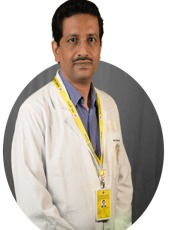
Professor and Head, Co-PI
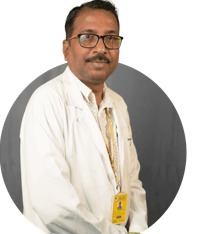
Professor and Head, Co-PI
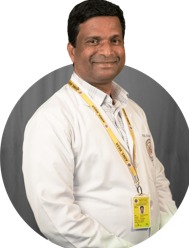
Professor and Head, Co-PI

Project Research Scientist

Technical Support

Data Entry Operator

Lab Attendant

Lab Attendant
Research and Education
Our research spans tissue quality assessment, molecular biology, and training the next generation of neuropathologists.
Effect of Post-mortem interval (PMI) on the histopathological and Immunohistochemical assessment Brain tissue with different PMI (1 to >30 hrs.) was assessed for an objective decay score on histopathology and different immunohistochemistry related to the basic structure and enzymes related to ROS metabolism. In the process of manuscript preparation
Effect of Post-mortem interval (PMI) on the DNA and RNA integrity of the tissue Brain tissue with different PMI was assessed for RNA integrity and DNA integrity by different methods.
Different region of the mRNA of Cytochrome C1 (CYC1) was assessed with qRT-PCR In the process of manuscript preparation
Assessment of the pathobiology of Cerebral Small Vessel disease (CSVD). The expression of different molecular markers related to ferroptosis form of cell death was assessed in CSVD cases.
Multimodal Evaluation of RNA Integrity and Tissue Quality in Human Postmortem Brain Across Varying Postmortem Intervals in a Tropical Indian Brain Biobank
To train the residents perusing MD pathology on brain autopsy, anatomical dissection, histopathological assessment and storage of brain tissue.
Development of the skill and competence of the MD Pathology residents for performing brain autopsy and dissection independently.
Preliminary diagnosis of the gross and microscopic pathology.
Dissection images & procedure overview coming soon
Contact Us